
 All products



















Measurement
Transducers & Pressure Transmitters
Pressure and differential pressure transmitters. 15 products from 3 brands.
About transducers
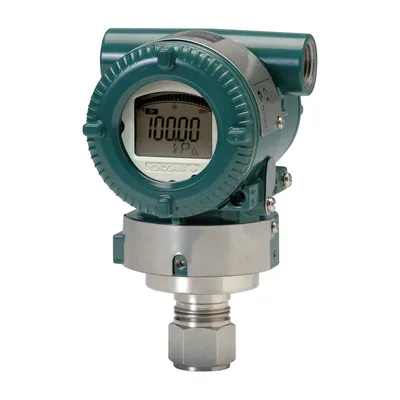
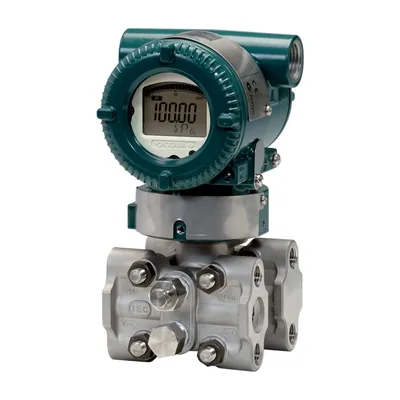
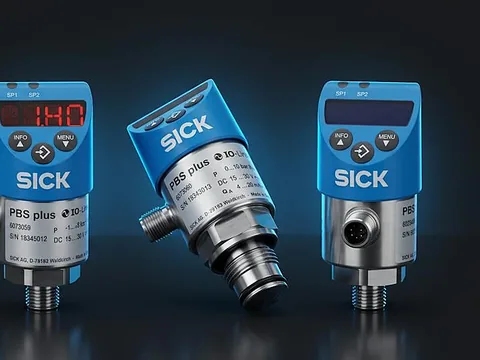
Pressure transducers and transmitters convert process pressure into a signal for the control system, typically 4 to 20 mA with HART or a digital fieldbus. Gauge and absolute pressure transmitters measure line and tank pressure. Differential pressure transmitters measure the difference between two points, which is used to calculate flow across a primary element, level in pressurised or open tanks, and pressure drop across filters. Multivariable transmitters combine differential pressure, static pressure and temperature for compensated mass flow. The terms transducer and transmitter are often used interchangeably; a transmitter usually includes the electronics that condition the sensor signal into a standard output such as 4 to 20 mA.
This page lists 15 transmitters from Emerson Rosemount, Endress+Hauser and Yokogawa, including pressure, differential pressure and multivariable transmitters with ceramic and metal sensor diaphragms. Use the brand shortcuts or the filters to narrow the list, open a product for its information sheet, and add the models you need to one quotation request.
All transducers
Emerson Rosemount
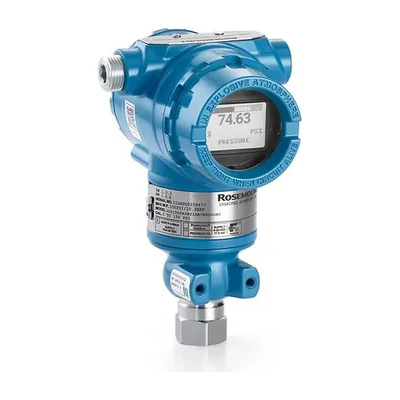
Emerson Rosemount 3051S
Pressure transmitter
View product: Emerson Rosemount 3051S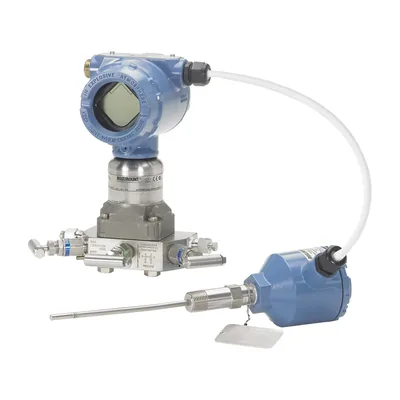
Emerson Rosemount
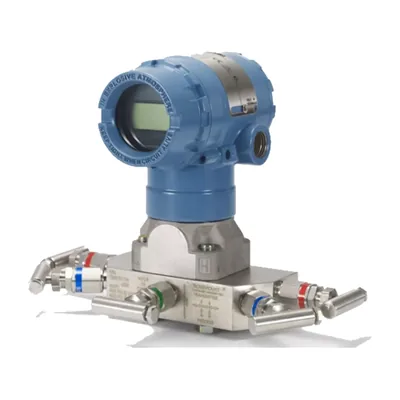
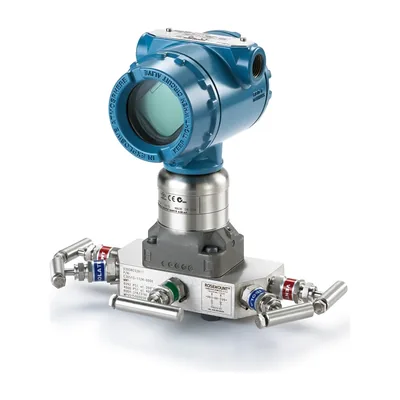
Emerson Rosemount 3051S MultiVariable (3051SMV)
Multivariable transmitter
View product: Emerson Rosemount 3051S MultiVariable (3051SMV)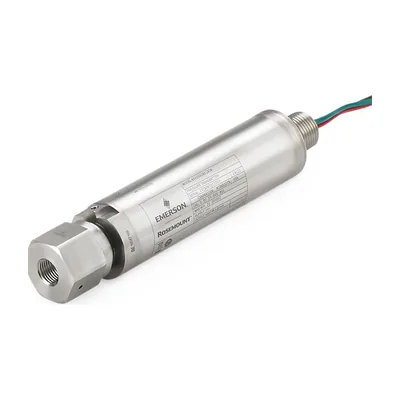
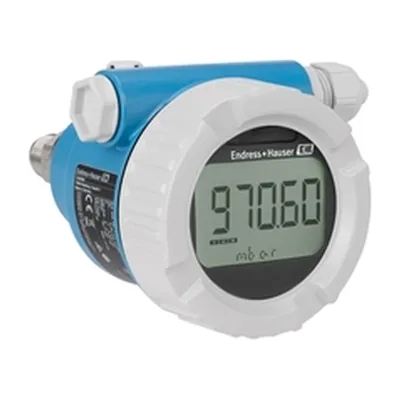
Endress+Hauser
Endress+Hauser Cerabar PMC51B
Pressure transmitter
View product: Endress+Hauser Cerabar PMC51B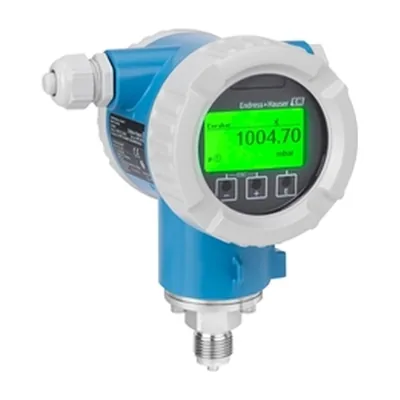
Endress+Hauser
Endress+Hauser Cerabar PMC71B
Pressure transmitter
View product: Endress+Hauser Cerabar PMC71B
Endress+Hauser
Endress+Hauser Cerabar PMP51B
Pressure transmitter
View product: Endress+Hauser Cerabar PMP51B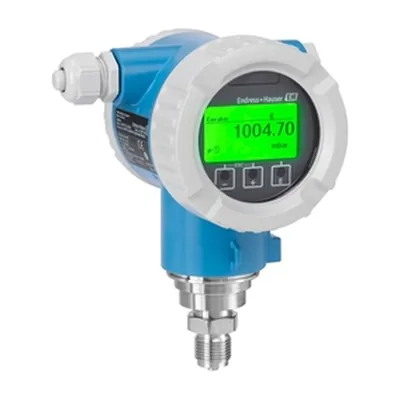
Endress+Hauser
Endress+Hauser Cerabar PMP71B
Pressure transmitter
View product: Endress+Hauser Cerabar PMP71B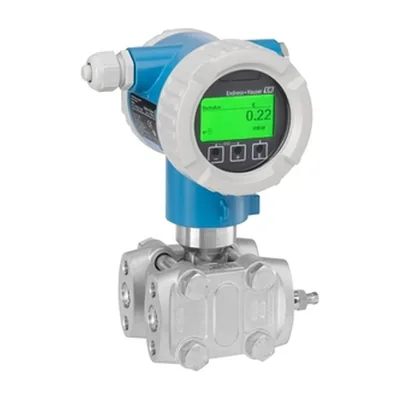
Endress+Hauser
Endress+Hauser Deltabar PMD75B
Differential pressure transmitter
View product: Endress+Hauser Deltabar PMD75B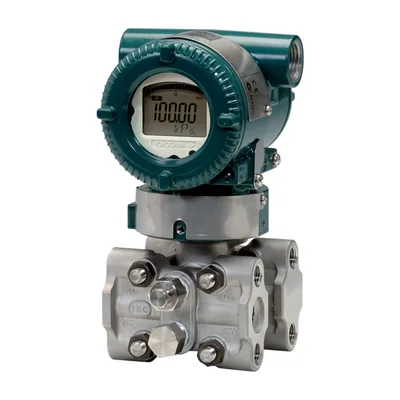
No products match these filters.
Try removing a filter or searching by model number. Can’t find what you need? Contact us with the part number.
Buying guide
Choosing a pressure transmitter
Pressure transmitters are specified by what they measure and the conditions they measure in. These are the points to check before you request a quotation.
Type of measurement
Gauge pressure is measured relative to atmosphere, absolute pressure relative to a vacuum, and differential pressure between two process connections. Choose differential pressure for flow, level and filter monitoring.
Range and turndown
Specify the measuring range and the maximum static and overload pressure. Many transmitters can be ranged down from their upper limit; the turndown ratio shows how far, with some loss of accuracy at very low spans. Allow for pressure spikes from pumps and fast-closing valves when choosing the overload rating, and for vacuum conditions if the line can be drained or cooled.
Sensor diaphragm and materials
Ceramic diaphragms resist abrasion and many corrosive media. Metal diaphragms suit high pressures and high temperatures. Wetted materials and fill fluids must be compatible with the medium.
Process connection and diaphragm seals
Confirm the thread, flange or hygienic connection. For hot, viscous, crystallising or corrosive media, diaphragm seals with a capillary or direct mount keep the medium away from the transmitter.
Output and communication
Check the required output: 4 to 20 mA with HART, PROFIBUS PA, Foundation Fieldbus or other protocols. Digital communication allows remote configuration and diagnostics. If the transmitter replaces an existing one, matching the output, power supply and electrical connection avoids changes to wiring and control system configuration.
Accuracy, stability and approvals
Compare reference accuracy and long-term stability for the application. Transmitters in hazardous areas need the right Ex approval, and safety applications may require SIL suitability. Total probable error, which combines accuracy with the effects of ambient temperature and static pressure, gives a more realistic picture than reference accuracy alone.
Replacing a transmitter or working from a datasheet? Send us the model number or the range, connection and output with your quotation request.
Typical applications
- Flow measurement with DP
- Tank level
- Filter monitoring
- Steam and gas flow
- Hydraulic and pneumatic systems
- Water and wastewater
- Oil, gas and chemical processes
Keep browsing
Other product categories



Ready to price your list?
Send us the products and quantities you need, or describe your application, and our team will prepare a quotation.
- 01 Add products
- 02 Set quantities
- 03 Submit your request